Wisdom Teeth Removal

Wisdom Teeth Removal

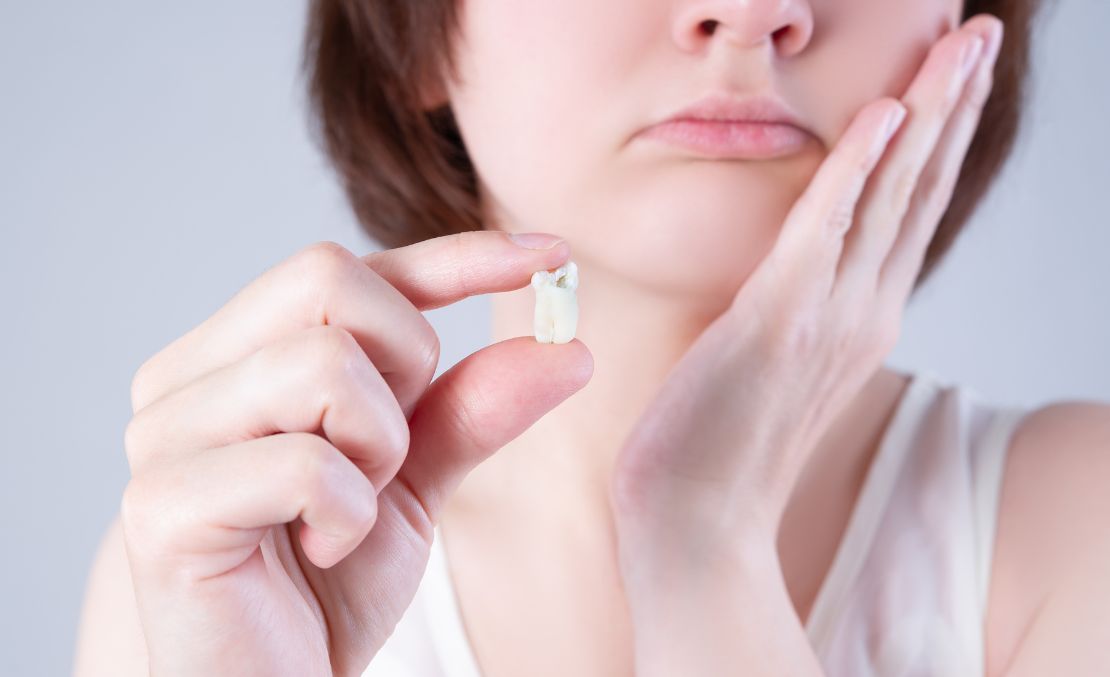
Are you looking to remove wisdom teeth? Wisdom teeth typically begin growing in the teenage years and may continue into a person’s late 20s. Some wisdom teeth don’t come through fully and get stuck against nearby teeth or bones.

Removal of wisdom teeth is a general procedure. Wisdom teeth are usually the last teeth to appear through the gums. Wisdom teeth removal should usually be performed as soon as possible to avoid further problems.

Thankfully, removing wisdom teeth is a relatively standard dental procedure, and Coronation House Dentists are here to make it quick and painless.

The Importance Of Wisdom Teeth Removal

Wisdom teeth are a set of molars situated in the back of your mouth’s upper and lower parts. A wisdom tooth that is impacted can be treated by having it removed. Approximately 85% of people eventually need to have their wisdom teeth removed. Most frequently beginning at age 17, surgeries start in their teens or early 20s.

It is proven that wisdom tooth extractions guard against periodontal disease. If not treated, it may lead to gum disease, tooth decay, and damage to the surrounding teeth because they are much harder to keep clean.

Fortunately, removal has no adverse effects on one’s ability to talk, chew, or swallow properly. Even if there are no experiencing symptoms, dentists will still suggest removal to prevent problems in the future.

Symptoms Of Wisdom Teeth Coming In

wisdom teeth

Every time someone feels pain or discomfort in their mouth, they should visit a dentist.

You can detect the growth of your wisdom teeth without an X-ray if you start experiencing any uncomfortable symptoms. These may consist of the following:

  • gum swelling that typically occurs behind your second teeth
  • jaw ache
  • painful or bleeding gums
  • extending your mouth widely with difficulty
  • an unpleasant aftertaste
  • poor breath

Do’s And Don’ts After Wisdom Tooth Removal

Post-operative care is crucial to the healing of your oral health. Having your wisdom teeth removed is a severe oral procedure. You must follow any aftercare instructions to avoid complications such as pain, swelling, and infection.

1. Rest

Take rest over the next couple of days. You may feel better to carry on as usual, but it’s essential to rest for a fast recovery.

2. Eat On The Other Side

Eat with your mouth on the opposite side. Although it might seem simple, it’s crucial to avoid disturbing.

3. Dentists Advice For Taking Pain Medication

Your dentist will likely prescribe you some pain medication, so follow their instructions closely, especially if using over-the-counter painkillers.

4. Brush Your Teeth

Brushing Teeth

Brushing your teeth as normal is essential, but try to brush the teeth carefully around the wound site so as not to let bacteria build up and cause an infection.

Dont’s:

1. Don’t Consume Hot Foods Or Liquids

Hot meals may disturb tissue healing over the extraction sockets, causing excessive bleeding. Therefore, hot food and beverages should be avoided after wisdom teeth removal.

2. Don’t Smoke

Do not smoke

Smoking can cause hypoxia, a condition where your tissues don’t get enough oxygen to recover correctly. So avoid smoking for a few days.

3. Don’t Use Any Straws

Do not Use Any Straws

The sucking motion of using a straw can irritate your extraction site by stopping a blood clot from forming, which is necessary for the wound to heal.

Your wisdom teeth are probably to blame if you now have jaw pain or discomfort, bleeding gums around your back teeth, bad breath, or recurrent sore throats. To avoid this problem, we are here to help you. Wisdom teeth removal is made easy with Coronation House Dentists.

At Coronation House Dentists, we are a team of well-trained Dentists and Dental nurses. We are happy to serve quality with our dentistry and patient care. For more information, contact us to explore all our services.

What are the consequences of Missing teeth?

When most people lose a teeth, unless it effects their appearance or eating they tend to ignore it. However there are a lot of consequences that start to occur over a period of time with a missing gap.

1. TILTING

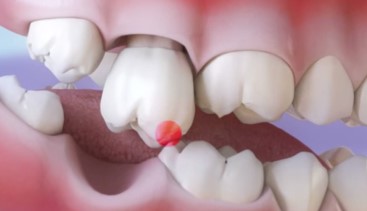
Teeth on either side start to move into the gap via tilting – food gets stuck between the teeth and the area becomes very prone to gum disease and the gum disease progresses to periodontal disease and eventually the teeth adjacent to the gap are lost and the gap widens and becomes more difficult to restore.

2. OVER ERUPTION

The opposing tooth to the gap will also start to come down (teeth look longer) and this elongated tooth will have its root exposed which results in sensitivity. The area that is exposed is dentine rather than enamel, dentine is soft and very prone to decay, and this is important in patients with poor oral hygiene and high sugar intake.

3. BONE LOSS

Bone loss will start to occur in the area as soon as 4 weeks which will cause a sunken effect look in the gums.

4. CHANGE IN BITE

The gap results in imbalanced forces within the bite itself forcing patients to change their jaw posture to cope with chewing and this can lead to TMJ problems which come in the form of: tooth fractures (due to the fact of undesirable force balances within the bite), grinding because of ‘displaced’ teeth, headaches and ear aches.

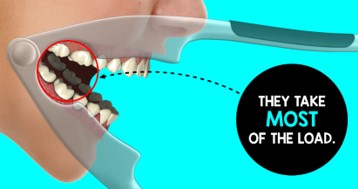
Our teeth are also like nutcrackers, they are designed to have more force distributed amongst the back teeth as they are much larger teeth than front teeth and they are more anchored – having 2-3 roots compared to 1 root for the front teeth. Once we lose back teeth, we still bite and chew with the same amount of force but onto the front teeth which have less chewing surface area! As you can imagine the greater force on a smaller surface area tends to cause more wear and fractures or cracks to occur.

5. INCREASED FORCE

The increased grinding can result in one single tooth taking too much biting force in the bite a diagnosis called Traumatic occlusion which will need endodontic treatment or extraction.

6. Altered Facial Appearance:

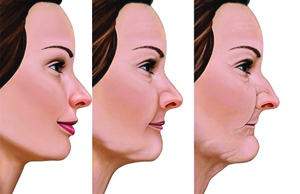
Your teeth play a crucial part in supporting the structure of your face. That is why missing teeth, especially full tooth loss, can result in sunken cheeks and a droopy facial demeanour, making a person appear older than they are.

7. Nutritionary Deficiency

Normally 90% of food that we chew fits through a size No. 12 Sieve. This is reduced to 58% in patients wearing complete dentures in a 15 year time frame. Studies on denture wearers show that 29% are able to eat only soft or mashed foods, 50% avoid many foods at 17% claim they eat better without the denture. You may eventually give up eating certain types of food or choose to eat only soft foods if your missing teeth cause discomfort when you bite or chew. In the long term, your general health may be jeopardised since your body is deficient in essential nutrients for healthy living.

8: Speech Problems

A lack of teeth might make it difficult to talk clearly. When pronouncing particular words, a person can talk with a lisp or a whistling sound. To make a “th” sound, the tongue touches the upper row of teeth, while to produce a “v,” the upper row of teeth makes contact with the lower lip.Teeth are also responsible for helping you pronounce the letters “g,” “s,” and “z” and the sounds “ch” and “sh.”


If you have problems with your dentition, such as missing or misaligned teeth, you will likely have a speech impairment that makes it difficult for others to understand you. Crooked and incorrectly placed teeth can also impact speech by causing lisps due to air being sucked in through gaps between them.

Dentures are a common tooth replacement option, but they don’t always help with speech since they slip, preventing the tongue from forming the necessary phonetic sounds. They might even fall out while you’re speaking, which is embarrassing. Furthermore, because dentures are not permanent, jaw disintegration can continue, and the resulting bone loss may obstruct someone’s ability to talk.

Dental implants, on the other hand, are a long-term option that enhances speech by allowing you to speak naturally.